
Unlock Growth with FOOD PODs: The Future of Phygital Retail
Welcome to the new era of retail—phygital, where physical and digital experiences merge to create a seamless customer journey. In a world where online penetration in India is still limited, brands need innovative solutions to thrive. Enter HungryWheels’ mobile real-estate PODs, the game-changing format designed to help brands navigate the urban maze and tap into concentrated demand areas.
The impossible triangle of traditional brick-and-mortar real-estate
Only online is not working
After the COVID-19 euphoria settled, growth has accelerated back to physical soaces, leading to a hybrid the shift towards phygital retail. Customer’s are making it clear that relying solely on offline presence is no longer viable. Reports from consulting giants like McKinsey and KPMG reveal that India’s online penetration is expected to reach only 10% in the near future. This growth is predominantly happening in Bharat, beyond the top metro cities. Making Phygital retail emerge as the optimal path forward for brands looking to expand.
Space Availability is Low
There is only a limited amount of land that can be built on, and be customer friendly. One of the biggest challenges for existing real-estate formats like Malls is the limited availability of prime locations, even inside a mall spaces are sold basis a further premium location logic. Malls and high streets are saturated, making it difficult for new entrants to find a toe-hold in a financially sustainable way.
High Rentals – NOT Sustainable
One of the biggest challenges in brand growth is the existing and ever increasing problem with brick-and-mortar real-estate. The rates don’t add up, the high rental costs, annual increases and revenue unscientific revenue share in Malls and even on high streets locations.
How India’s first mobile real-estate PODs from HungryWheels PODs can address these challenges?
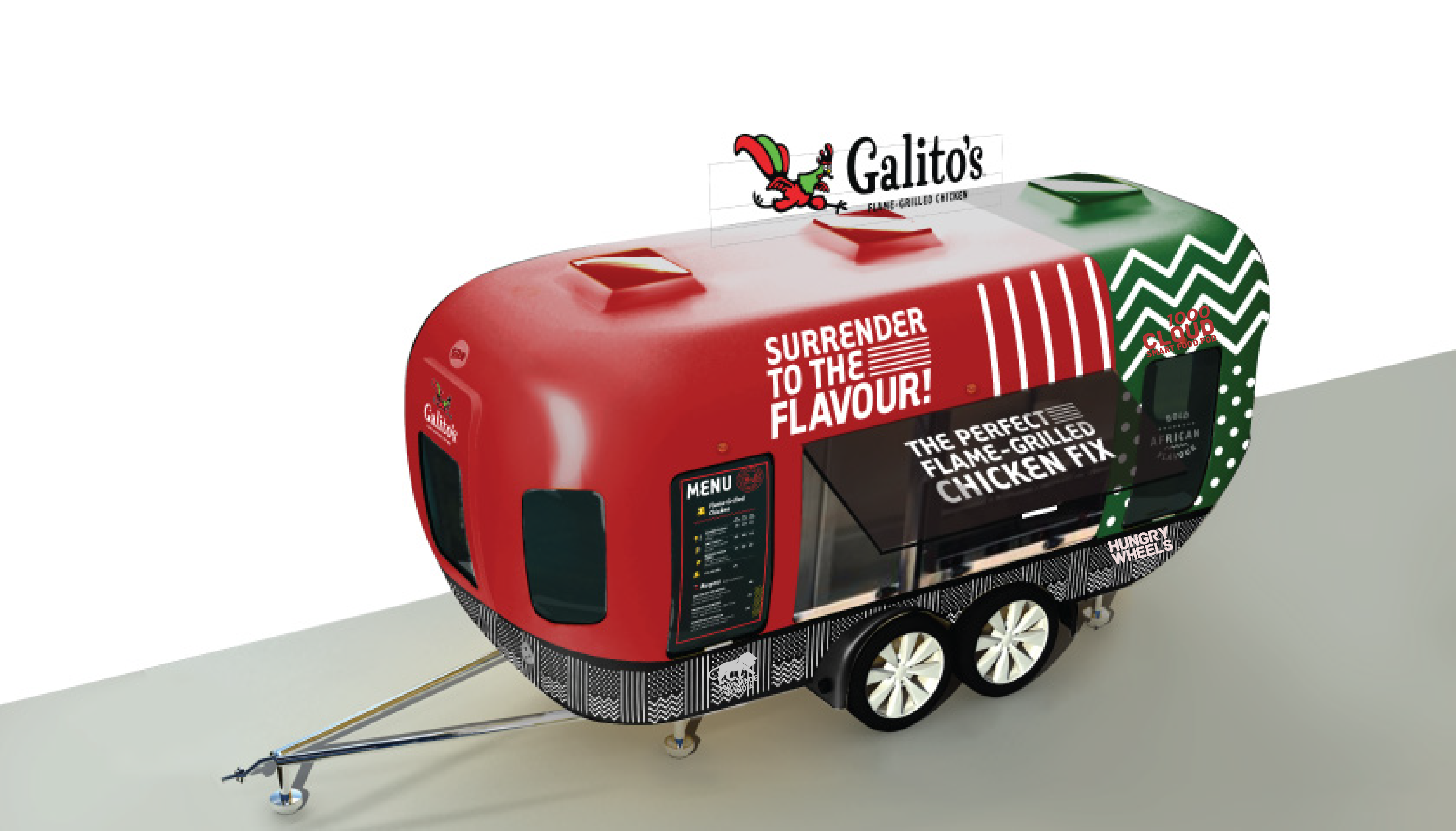
HungryWheels PODs offer a flexible and cost-effective alternative. Our mobile real-estate PODs can be parked in high-demand areas without the burden of hefty rents, allowing brands to reach their customers directly, get closer and build a connection that can continue online.
Dynamic Nature of Demand
The rise of work-from-home and shared mobility has made demand more unpredictable. Traditional retail locations in malls are seeing fluctuating foot traffic, making it hard for brands to rely on consistent walk-ins. Whit PODs you don’t need to wait for customers to come to you.
Benefits of Mobile Real-Estate PODs in Adapting to Dynamic Demand
HungryWheels PODs can adapt to these changes by moving to where the demand is, whether it’s residential areas, corporate hubs, or popular events. This agility ensures that brands can always be where their customers need them.
Flexible Design of HungryWheels PODs
HungryWheels PODs are designed to be versatile, catering to any cuisine, brand, and location. Whether you’re a food truck selling gourmet burgers or a retail brand launching a new product, these PODs can be customized to meet your needs.
Case Studies and Examples
Take the example of “Wonderla” Food POD that transformed idle spaces inside their amusement into a mobile retail point. By leveraging HungryWheels’ flexible design, they expanded their menu and reached new customer segments in idle areas, boosting their sales.
They also leveraged the inbuilt mobile hoarding USP of the PODs to enhance brand visibility across Hyderabad. During idle hours for the park, they take out the WONDERLA Food PODs around Hyderabad, and Secunderabad, the highway. They are creating a buzz around the brand, doing sampling, pre-selling tickets and earning revenue by providing fresh food where customers’s are hungry at their homes, offices and en-route on the highways – creating invaluable brand recall.
Three-in-One Advantages of HungryWheels PODs
- Hybrid Quick Commerce Stores
- These PODs can serve as hybrid stores, combining physical and online shopping experiences to meet customer expectations.
- These PODs can serve as hybrid stores, combining physical and online shopping experiences to meet customer expectations.
- Retail Points Near Demand Centres
- Strategically placed near high-demand areas, these PODs ensure maximum visibility and foot traffic.
- Strategically placed near high-demand areas, these PODs ensure maximum visibility and foot traffic.
- Inbuilt Mobile Hoardings
- The mobile nature of these PODs allows them to act as moving billboards, increasing brand recall and engagement.
Risks of Ignoring Phygital Retail Solutions
Ignoring the benefits of phygital retail can have serious consequences for your brand.
Consequences for Brand Valuation, Customer Experience, and Profitability
- Brand Valuation: Without phygital solutions, your brand may struggle to keep up with competitors who are leveraging the latest trends like PODs.
- Customer Experience: Inconsistent customer engagement can lead to dissatisfaction and loss of loyalty.
- Profitability: Missing out on high-demand locations and flexible retail solutions can result in decreased sales and increased operational costs.
Global and Indian Examples of Successful Mobile Stores
Brands like “Heinz”, “Starbucks” and “Amazon Go” have successfully integrated mobile stores into their strategies, enhancing customer reach and convenience. In India, “Chai Point”, “QMIN”, “TAJ HOTELS”, “ITC HOTELS”, “MANIPAL GROUP”, “HATTI KAAPI” and others are effectively using HungryWheels mobile real-estate PODs as retail and brand building points to tap into diverse locations, driving growth and brand awareness.
6 Unfair Advantages of HungryWheels PODs
- Smallest Turning Radius
- HungryWheels PODs boast the smallest turning radius compared to trucks and other vehicles in India, allowing them to navigate narrow urban streets with ease. This flexibility ensures they can access prime locations that are otherwise difficult to reach.
- HungryWheels PODs boast the smallest turning radius compared to trucks and other vehicles in India, allowing them to navigate narrow urban streets with ease. This flexibility ensures they can access prime locations that are otherwise difficult to reach.
- Optimised Space Utilisation
- With 1000 cubic feet of space, these PODs are designed to maximise every cubic centimeter. This compact yet efficient design ensures they can operate in tight spaces, making them ideal for urban environments.
- With 1000 cubic feet of space, these PODs are designed to maximise every cubic centimeter. This compact yet efficient design ensures they can operate in tight spaces, making them ideal for urban environments.
- Street-Level Service Windows
- The design of street-level service windows ensures that these PODs can serve customers efficiently in any setting, from corporate events to rainy weather, without compromising on service quality.
- The design of street-level service windows ensures that these PODs can serve customers efficiently in any setting, from corporate events to rainy weather, without compromising on service quality.
- National Permit Compliance
- HungryWheels PODs come with RTO national permits, allowing seamless operation across India. This compliance enables brands to follow demand trends and set up in high-demand locations regardless of state boundaries.
- HungryWheels PODs come with RTO national permits, allowing seamless operation across India. This compliance enables brands to follow demand trends and set up in high-demand locations regardless of state boundaries.
- Pan-India Insurance Coverage
- With pan-India insurance, your investment is protected no matter where you operate. This safety net ensures that you can focus on growing your business without worrying about regional risks.
- With pan-India insurance, your investment is protected no matter where you operate. This safety net ensures that you can focus on growing your business without worrying about regional risks.
- Eco-Friendly and Compliant Interiors
- Designed with zero-flame materials, these PODs comply with AAI and IT Park regulations. This eco-friendly approach allows operation in urban environments and nature reserves without contributing to pollution.
Step-by-Step Checklist for Selecting a Phygital Partner
- Assess Mobility Needs
- Evaluate whether your brand requires mobility to reach DIRECT 2 CUSTOMER and other diverse customer segments.
- Evaluate whether your brand requires mobility to reach DIRECT 2 CUSTOMER and other diverse customer segments.
- Analyse Demographics and Foot Traffic
- Use data to identify high-demand areas and understand customer movement behaviour patterns.
- Use data to identify high-demand areas and understand customer movement behaviour patterns.
- Evaluate Flexibility and Customisation
- Ensure the phygital solution offers flexibility and customisation to meet your brand’s unique needs.
- Ensure the phygital solution offers flexibility and customisation to meet your brand’s unique needs.
- Check Compliance and Permits
- Verify that the phygital partner complies with national and regional regulations.
- Verify that the phygital partner complies with national and regional regulations.
- Consider Insurance and Safety
- Look for partners offering comprehensive insurance coverage and safety features.
- Look for partners offering comprehensive insurance coverage and safety features.
- Review Case Studies and Success Stories
- Analyse the success of similar brands using phygital solutions to gauge potential benefits.
In the evolving retail landscape, embracing phygital solutions like HungryWheels’ mobile real-estate PODs is crucial for brands looking to grow. By leveraging flexible, data-driven strategies, you can navigate the complexities of urban demand and maximise your brand’s potential.
FAQs
1. What makes HungryWheels PODs different from traditional food trucks?
HungryWheels PODs offer better mobility, compliance, and space optimization, making them ideal for diverse urban locations.
2. How can phygital solutions improve my brand’s profitability?
By adapting to dynamic demand and reaching high-traffic areas, phygital solutions ensure consistent customer engagement and sales growth.
3. Are there any successful examples of brands using mobile retail units?
Yes, brands like Starbucks, Amazon Go, and Chai Point have successfully integrated mobile units into their strategies, enhancing customer reach and convenience.

Mobility architect, system designer, and ecosystem builder.
Since 2012, he has developed various scalable vehicle platforms and solutions for retail, logistics, and defence. As a possibilist, futurist, and innovator, Vikram’s designs have powered the success of Food POD mobile kitchens at ITC Hotels, TAJ Hotels/ Qmin, WAGSHA/ Manipal Group, Wonderla and more.